CPA Licensure Modernization Bill Signed Into Law, Addressing Accounting Workforce Challenges
May 08, 2026
On May 6, legislation modernizing CPA licensure in Oklahoma was signed into law, following significant national changes to the Uniform Accountancy Act (UAA) adopted by the American Institute of CPAs (AICPA) and the National Association of State Boards of Accountancy (NASBA) last year.
The updated law aligns Oklahoma with the ninth edition of the UAA, which introduces an additional pathway to CPA licensure (bachelor’s degree + two years’ experience + passing the CPA Exam), moves to an individual-based mobility model for CPAs practicing across state lines, and adds safe harbor protections for CPAs licensed under current requirements.
The passage of this bill and subsequent signing widens the doorway to CPA licensure in Oklahoma to three options:
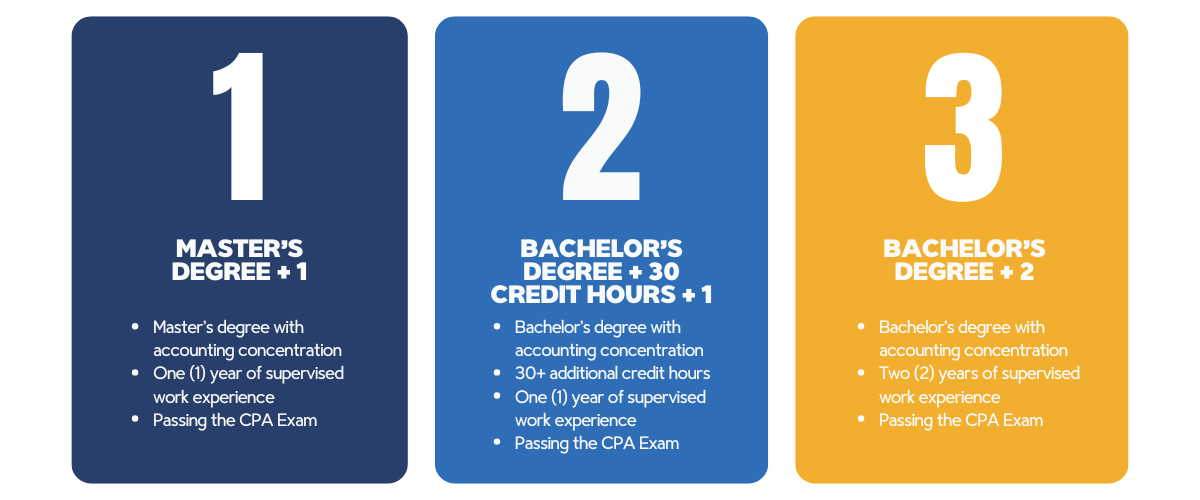
With the bill now approved by the Oklahoma Legislature and signed into law by the governor, professionals and students seeking to earn their CPA license may now choose any of the three pathways to licensure, effective November 1, 2026.
Following the release of the national UAA updates last year, the OSCPA surveyed its membership and received a record number of responses from Oklahoma CPAs. Feedback showed broad recognition of current pipeline challenges, with the majority also supporting new licensure pathways to improve workforce development opportunities while still maintaining the professional standards that protect the public and encourage interstate commerce.
“This represents the most significant shift in CPA licensure in a generation, and it directly impacts the future of Oklahoma,” said OSCPA President and CEO Blaine Peterson, CPA, JD. “Updating our state’s licensure model is an important next step in protecting Oklahomans while preserving the integrity and trust that define the CPA profession.”
Nearly all U.S. states and territories have taken legislative action to modernize their licensure requirements in the last year. The OSCPA worked in partnership with its board of directors, the Oklahoma Accountancy Board (OAB), legislators, firms, educators, and members across the state throughout the development of the legislation and the legislative process.
OAB Chair Mark Whitman, CPA, said, “Modernizing the CPA licensure pathway strengthens the profession without compromising its standards. It ensures the CPA credential remains accessible, sustainable, and trusted—while continuing to protect the public.”